
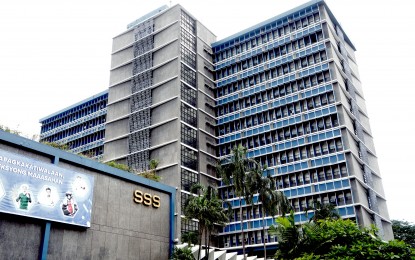
The Social Security System (SSS) is looking beyond Philippine markets as it explores ways to improve the returns of its growing pension fund.
The state-run pension agency is considering investing around ₱75 billion of its reserve fund in overseas markets, marking a potential first for the institution as it seeks greater diversification and access to investment opportunities outside the country.
The move comes as investment opportunities in the domestic market remain relatively limited. With SSS managing a reserve fund worth more than ₱1 trillion, placing a portion of its assets in international markets could give the pension fund access to a wider range of equities and other financial instruments.
Looking Beyond the Philippine Market
For years, SSS has primarily invested its funds in domestic assets, including government securities, equities, corporate bonds, mutual funds, and other approved instruments.
Its 2024 annual report shows that the pension fund had significant exposure to government securities and Philippine equities, alongside investments managed by external fund managers.
The proposed overseas strategy would introduce another layer of diversification.
Rather than relying almost entirely on the performance of Philippine assets, SSS could gain exposure to larger and more diverse international markets. Overseas investments may also provide opportunities in sectors and companies that are not represented in the local stock market.
The plan is particularly relevant given the relatively small size and limited liquidity of the Philippine capital market compared with major global exchanges.
A Bigger Push for Diversification
Diversification is important for a pension fund because its investments need to generate sustainable returns over a long period while managing risk.
The OECD has noted that SSS has historically maintained a relatively conservative asset allocation, even though its investment framework allows exposure to several asset classes. Current rules allow the SSS reserve fund to allocate up to 40% to listed equities and up to 40% to corporate bonds, while foreign mutual funds have also been permitted within specific limits.
Moving into international markets could therefore give the agency another way to spread its investment exposure.
The plan is not entirely new. SSS had previously explored the possibility of investing offshore, with diversification and stronger revenues cited as key reasons for considering international markets.
What makes the latest development notable is that the agency now appears to be moving closer to making overseas investment part of its actual strategy.
Why Overseas Markets Matter
International markets offer SSS a much larger investment universe.
Global equities, exchange-traded funds, fixed-income securities, and other instruments could potentially give the pension fund access to industries and economies that behave differently from the Philippine market.
This can help reduce concentration risk. When domestic markets experience weak performance, investments in other markets may provide another source of potential returns.
The strategy also comes as access to international investments becomes more integrated into the Philippine financial system. The Philippine Stock Exchange, for example, has been working on rules that could allow locally listed exchange-traded funds to provide exposure to foreign stocks, bonds, commodities, and other assets.
Balancing Returns and Risk
For SSS, however, investing abroad is not simply about finding markets with higher potential returns.
The agency manages contributions intended to support millions of Filipino workers and pensioners, making capital preservation and risk management central considerations.
Currency movements, market volatility, foreign regulations, geopolitical developments, and differences in market conditions are among the risks that would need to be considered when investing overseas.
SSS would also need the appropriate investment expertise and systems to manage a larger international portfolio. Its previous discussions on offshore investing had included the possibility of working with external fund managers and advisers.
The proposed allocation would therefore represent more than a change in geography. It would also require the pension fund to strengthen its approach to managing global investments.
A New Direction for the Pension Fund
The potential ₱75-billion allocation signals a broader shift in how SSS could manage its reserves.
As the fund grows and the domestic market offers fewer opportunities capable of absorbing large amounts of institutional capital, looking overseas could provide SSS with more room to diversify its portfolio and pursue long-term returns.
For members, the bigger question will be whether the strategy can deliver stronger and more sustainable investment income without taking on excessive risk.
If implemented, SSS’s move into international markets could mark an important change in the way one of the country’s largest pension funds manages its reserves—and could further connect Philippine institutional investors to the global financial system.